
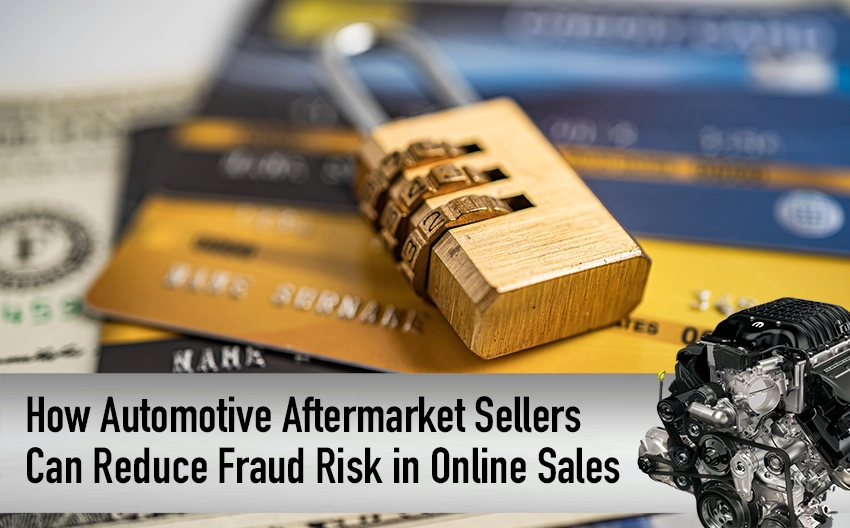
Selling automotive aftermarket parts online creates major opportunities for distributors, performance brands, and specialty parts suppliers. It also creates risk. For sellers handling high-value orders, chargebacks have become one of the most frustrating and expensive issues in eCommerce.
Some chargebacks come from stolen credit cards. Others come from dishonest customers who place a legitimate order, receive the product, and then dispute the transaction anyway. In the automotive aftermarket, where many items are expensive, application-specific, and difficult to restock, even a small number of chargebacks can create real financial damage.
Why Automotive Aftermarket Parts Are a Target
Performance and specialty automotive parts are often high-ticket items. Supercharger components, billet upgrades, custom brake parts, engine accessories, and exotic application parts can easily reach price points that attract fraud. A scammer does not need to steal many items to create a large loss for a seller.
For example, a fraudulent buyer may order an exotic performance part using a stolen credit card. The billing information may appear valid, the shipping address may seem normal, and the transaction may pass basic gateway screening. A few days later, the product ships, is delivered, and the actual cardholder files a dispute. The seller is then left fighting a chargeback while also losing the product, the shipping cost, and the time spent processing the order.
There is also the issue of so-called friendly fraud. This happens when a customer places a real order, receives the part, and later disputes the charge with the bank instead of contacting the seller directly. In some cases, they may claim the transaction was unauthorized. In others, they may say the item never arrived, even when tracking and signature records show delivery.
Why Chargebacks Hurt More in This Industry
Automotive aftermarket parts are not always simple, low-cost products that can easily be resold. Many are tied to specific makes, models, or performance builds. If a seller loses a chargeback on an exotic or specialty part, the damage can go beyond the dollar amount of the order. It may also include shipping losses, processing fees, administrative time, inventory disruption, and higher risk ratings from the payment processor.
This is especially important for businesses serving enthusiasts, builders, and performance customers. Urgent orders, niche applications, and expensive components can all increase the chance of fraud or disputes.
What Sellers Are Already Doing
Many reputable sellers already have safeguards in place. These may include fraud controls built into the payment gateway, delayed fulfillment for review, address verification, customer data checks, and signature requirements upon delivery. These are smart steps, and they do help reduce risk.
However, no single tool eliminates the problem. A signature alone may not stop every dispute. Gateway fraud screening may not catch every stolen card purchase. That is why automotive aftermarket sellers need a layered approach.
Additional Ways to Reduce Risk
One of the most effective strategies is manual review of suspicious or high-value orders. If an order contains unusual details, mismatched information, or signs of rushed purchasing behavior, it may be worth holding before shipment. Keeping strong internal records also matters. Order confirmations, customer communication, tracking details, and verification notes can all help support a dispute response later.
Clear communication also plays a role. Sellers should make shipping timelines, signature requirements, and return policies easy to understand. Not every chargeback begins with criminal fraud. Some begin with confusion, buyer regret, or a customer who goes directly to the bank before contacting the seller.
This challenge affects the broader performance parts market. Retailers and suppliers across the automotive aftermarket space, all operate in a market where high-value parts and fraud risk often overlap.
Fraud prevention in automotive aftermarket online sales is not about making it harder for good customers to buy. It is about protecting legitimate transactions, reducing avoidable losses, and building a safer checkout process for everyone.
Protecting Revenue Without Hurting the Customer Experience
The goal is not to make buying difficult for legitimate customers. The goal is to protect the business while maintaining trust and service. For automotive aftermarket sellers, that means using layered fraud prevention, documenting orders carefully, and responding quickly when suspicious activity appears.
Chargebacks may never disappear completely, but they can be reduced. With the right process in place, sellers can better protect their margins, reduce preventable losses, and create a safer buying environment for real customers.
How Can MPI Help You?
If you have questions about a part, shipping requirements, or order verification, contact MPI before you buy. Our team is here to help make sure your order is accurate, secure, and processed with confidence.


Daniel Szwed – Marketing Manager
Mechanical Power, Inc.